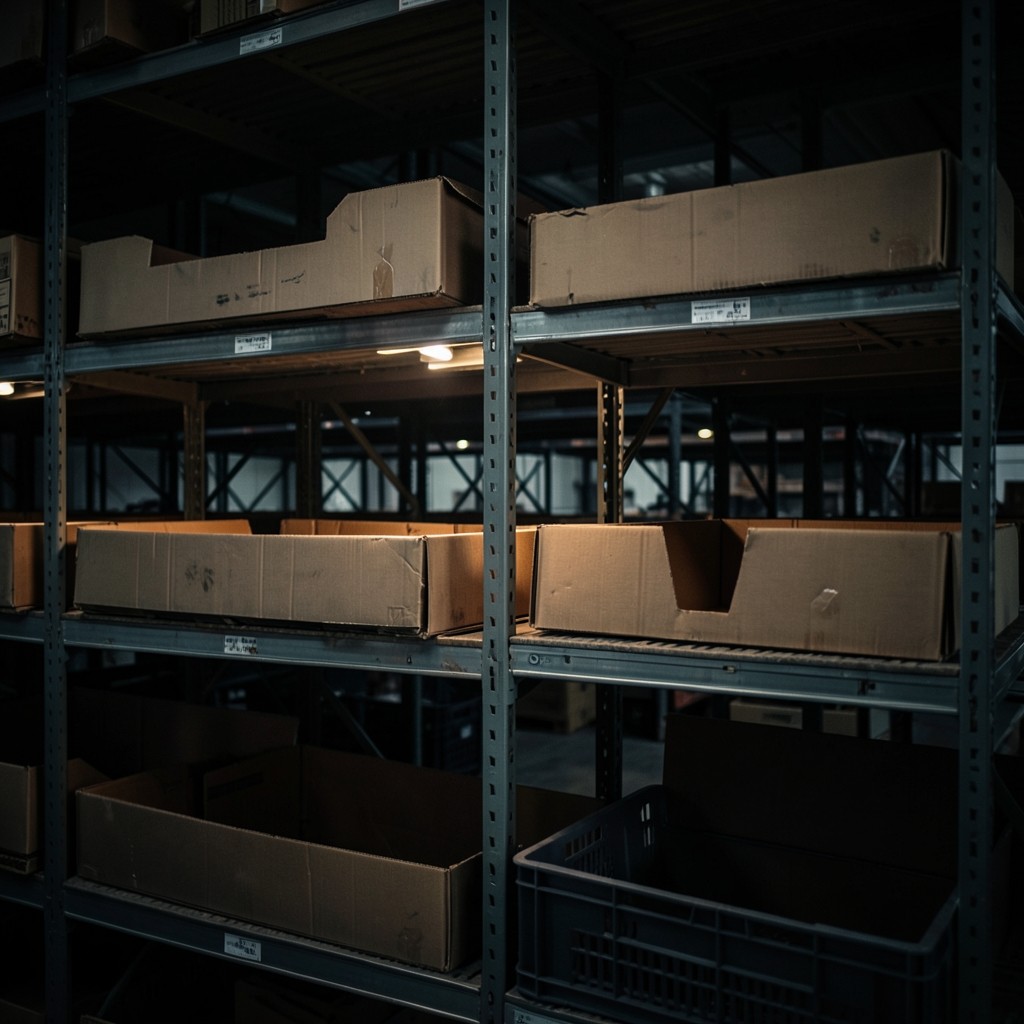
Pick-face shortages rarely arrive without warning. In many Bangkok warehouses, the first clue sits in the replenishment lag between reserve racking and the forward pick location—long before a picker marks a short.
Start by listing the twenty SKUs that leave the building most often. For each, note the time between the last reserve pull and the next pick-face restock. When that gap stretches past the usual shift rhythm, you are looking at a shortage signal, not a surprise.
Inventory intelligence here means watching those intervals on a simple chart, not inventing a new system. A wall board or a weekly printed sheet is enough if the warehouse manager reviews it with the replenishment lead every Monday.
During our assessments we often find that shortage calls cluster around the same three aisles after lunch. That pattern usually points to a staging bottleneck, not a supplier problem. Fix the aisle timing first; then decide whether safety stock needs a change.
If you only react when dispatch fails, you are already late. Treat pick-face lag as an early conversation with your floor team, and the stock ledger will stay closer to what the dock actually ships.